The Best Vet Nearby: How to Find a Great Local Veterinarian for Your Pet
VE
Vetmodo Editorial Team
Key Takeaways
•AAHA accreditation is the most meaningful quality signal when comparing clinics. Only 15% of North American animal hospitals meet its 900-plus standards voluntarily. Use it alongside personal impressions of staff communication and cost transparency to make a more informed choice.
•Communication matters, A lot. This directly predicts whether owners follow through with care. Research shows clients prefer collaborative decision-making with their veterinarian across all appointment types: preventive, general problem, and urgent — and that perceived empathy is linked to better compliance with recommended preventive services.
•Plan for cost and access before you need care urgently. Cost, distance, and limited availability are the most common barriers to veterinary care. Compare two or three local clinics on pricing, wellness plans, and urgent care access before a problem arises.
•The right veterinarian is a long-term partner. Continuity of care - seeing the same vet or small team over time - builds a health history that helps detect subtle changes early, particularly in senior pets or those with chronic conditions.
•Access to veterinary care is a real and measurable barrier for many pet owners. Research shows most US residents define access primarily in terms of affordability, provider availability, and ease of communication - and over half of care-seeking pet owners report distrusting their veterinarian. Choosing a clinic that prioritizes cost transparency and clear communication matters beyond convenience.
What Does Your Pet Actually Need From a Veterinarian?
Every pet is unique, and understanding your pet’s specific needs is key to finding the right veterinarian. Puppies and kittens often require more frequent visits for vaccinations and early health checks, while adult pets may need annual exams and preventative services. Senior pets, or those with chronic health conditions, might benefit from more specialized care or regular monitoring. Consider your pet’s age, breed, size, and any existing health concerns when evaluating potential vets. Think about the types of services you may need over time, such as emergency care, dental cleanings, or nutritional counseling. By matching your pet’s needs to a veterinarian’s expertise and services, you’ll be better prepared to find a vet who can provide the right care at every stage of your pet’s life.
What Is AAHA Accreditation and Why Does It Matter?
The American Animal Hospital Association (AAHA) and American Veterinary Medical Association (AVMA) are two organizations that set quality benchmarks for veterinary facility standards.
AAHA accreditation covers:
Over 900 standards across patient care categories
Medical recordkeeping and anesthesia protocols
Pain management and dentistry practices
Continuous quality improvement processes
Only about 15% of animal hospitals in North America voluntarily meet AAHA's more than 900 standards for patient care, anesthesia, pain management, and medical recordkeeping — making accreditation one of the most meaningful quality signals available when comparing local clinics. AAHA accreditation indicates that a clinic meets high voluntary standards for care and technology, making it a useful quality signal when comparing locations (AAHA, Prioritizing Your Pet's Health).
Key AVMA recommendations include:
Visit the hospital in person before committing
Ask about emergency coverage and after-hours protocols
Vetmodo encourages pet owners to combine these objective standards with personal impressions of staff kindness, clarity, and cost transparency.
Frequently asked questions
What does it mean if a clinic is "AAHA Accredited"?
Unlike human hospitals, veterinary clinics are not required by law to be accredited. Choosing an American Animal Hospital Association (AAHA) accredited clinic means the facility has voluntarily chosen to be evaluated on over 900 rigorous standards. These include everything from the quality of their diagnostic equipment and anesthesia protocols to the cleanliness of the surgical suite and the accuracy of their medical records.
Why is "collaborative decision-making" important for my pet’s health?
Veterinary medicine has moved away from a "doctor knows best" model toward a team-based approach. Research shows that owners who feel involved in the decision-making process are more likely to understand and follow through with complex medical treatments (Groves et al., 2024). A veterinarian should offer you a spectrum of care, explaining the different diagnostic and treatment options available and working with you to choose the path that fits your pet’s needs and your resources (Janke et al., 2021).
How can I tell if a veterinarian is truly empathetic?
Empathy is more than just a nice "bedside manner"; it is a clinical tool that builds trust. Owners who perceive their vet as empathetic are statistically more likely to trust their medical recommendations and stay current on preventative care (Kogan, 2024). During your first visit, observe if the vet listens without interrupting, explains jargon clearly, and shows genuine respect for the bond you have with your pet.
Citations
Brown FN, Jones JV. (2025). Client experiences with veterinary professionals: a narrative inquiry study. N Z Vet J. https://pubmed.ncbi.nlm.nih.gov/39653122/
Groves CNH, Coe JB, Sutherland KA, Bauman C, Grant LE. (2024). Clients prefer collaborative decision-making with veterinarians regardless of appointment type. J Am Vet Med Assoc. https://pubmed.ncbi.nlm.nih.gov/39326456/
Janke N, Coe JB, Bernardo TM, Dewey CE, Stone EA. (2021). Pet owners' and veterinarians' perceptions of information exchange and clinical decision-making in companion animal practice. PLoS One. https://pubmed.ncbi.nlm.nih.gov/33524061/
Kogan LR. (2024). Dog owners and preventative healthcare: knowledge level, interest, and impact on perceptions of veterinarians' trustworthiness and empathy. J Am Vet Med Assoc. https://pubmed.ncbi.nlm.nih.gov/39536436/
LaVallee E, Mueller MK, McCobb E. (2017). A Systematic Review of the Literature Addressing Veterinary Care for Underserved Communities. J Appl Anim Welf Sci. https://pubmed.ncbi.nlm.nih.gov/28657796/
Pasteur K, Widmar NO, Tran CV, Croney CC. (2025). U.S. residents' self-reported access to veterinary care and implications for care-seeking decisions. Front Vet Sci. https://pubmed.ncbi.nlm.nih.gov/41280420/
American Veterinary Medical Association (AVMA). Finding a Veterinarian.
American Veterinary Medical Association (AVMA). 8 Things You Should Consider When Choosing a Veterinarian.
American Animal Hospital Association (AAHA). Prioritizing Your Pet's Health: How to Choose a Veterinarian.
VE
Written by
Vetmodo Editorial Team
The information on this website is for educational purposes only and does not constitute veterinary medical advice, diagnosis, or treatment. Always consult a licensed veterinarian regarding your pet's health. Reliance on any information provided by Vetmodo is solely at your own risk.
How to Compare Local Veterinarians for Routine and Preventive Care
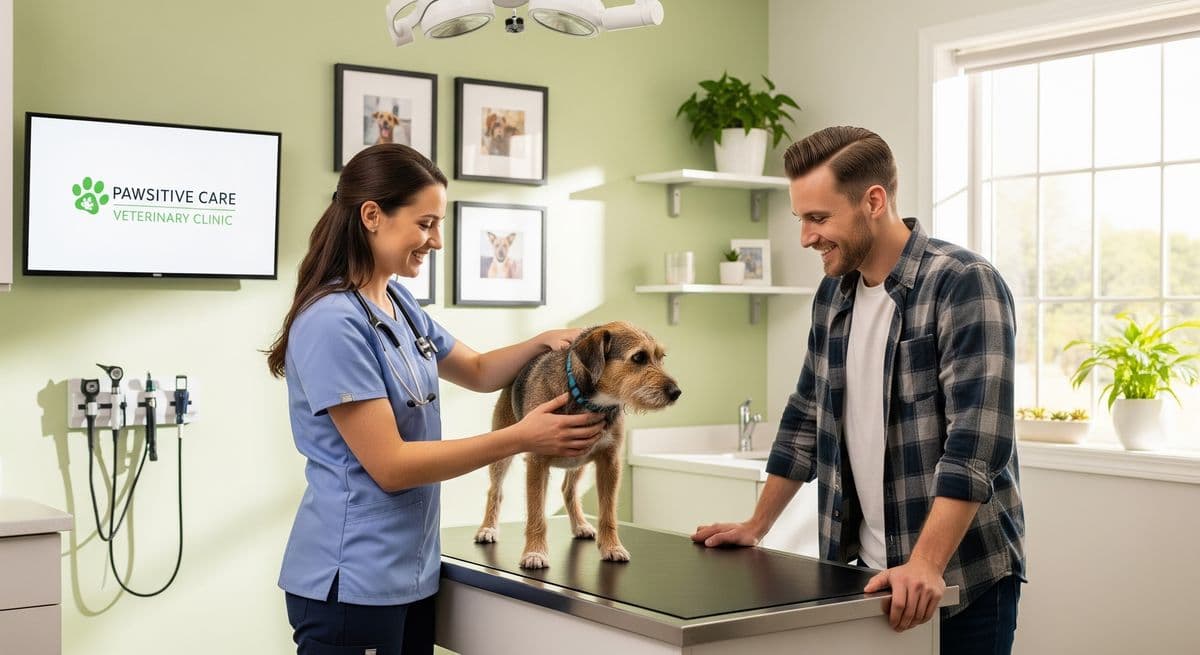
This section focuses on routine services: vaccines, annual exams, dental checks, parasite prevention, and early-disease screening.
Key criteria to compare:
Distance, parking availability, and ease of access
Evening and weekend hours for working people
Species served (dogs, cats, exotics)
Wellness plan availability and pricing
Hospital availability on weekends
Continuity of care matters - seeing the same vet or small team over time builds a health history that helps catch subtle changes early. Based on AVMA guidance (AVMA, Finding a Veterinarian), ask about vaccination protocols, pain management strategies, and recommended exam frequency for different life stages.
A veterinarian open on weekends will also likely provide improved access to care that fits with the busy working lifestyle of many pet owners. Vetmodo recommends choosing a clinic that proactively schedules follow-up visits and sends reminders for boosters, heartworm tests, and dental cleanings. Online medical records that are easily accessible are also a bonus!
Why Your Vet's Communication Style Matters as Much as Their Qualifications
Research shows communication style directly affects trust and the likelihood owners follow through with care recommendations. Research found that 54.7% of pet owners who actively seek care report distrusting their veterinarian, and 36.8% are dissatisfied with their interactions despite being satisfied with their pet's clinical outcomes. (Pasteur et al., 2025) The right clinic closes that gap through genuine communication, not just clinical competence.
Groves et al. 2024 (JAVMA): Clients in the US and Canada prefer collaborative decision-making with veterinarians across all appointment types (Groves et al., 2024)
Janke et al. 2021 (PLoS One): Many pet owners want clear explanations of options, costs, and outcomes—misalignment reduces satisfaction and adherence (Janke et al., 2021)
Kogan 2024 (JAVMA): Dog owners’ preventative care knowledge and perception of vet empathy are linked to compliance with services (Kogan, 2024)
Brown & Jones 2025 (N Z Vet J): Clients emphasize feeling heard, not rushed, and respected as central to positive experiences (Brown & Jones, 2025)
Some veterinary practices help pet owners prepare for visits by providing a list of questions to ensure all concerns are addressed, supporting thorough communication and personalized care. Customer reviews for GoodVets highlight the thoroughness and communication of their veterinary staff.
Reading Reviews from Other Pet Owners
One of the best ways to gain insights into a veterinarian or animal hospital is by reading reviews from other pet owners. Online reviews can reveal valuable information about the quality of care, the friendliness of staff, and the overall experience at a particular facility. Look for reviews that mention specific services, such as emergency care or dental cleanings, and pay attention to comments about the veterinarian’s communication style and bedside manner. These firsthand accounts can help you find a hospital or clinic that aligns with your expectations and your pet’s needs. However, it’s important to note that while reviews provide helpful perspectives, they should be considered alongside other factors like the veterinarian’s qualifications, experience, and the range of services offered. By combining insights from reviews with your own research, you’ll be well-equipped to make the best decision for your pet’s care.
How to Plan for the Real Cost of Veterinary Care
Even when searching “vet nearby,” cost and access strongly influence real-world care decisions. A recent study found many US residents report barriers including cost, distance, and limited appointment availability, making advance planning essential (Pasteur et al., 2025). Furthermore, Lavallee and colleagues noted underserved communities face structural barriers, highlighting the importance of flexible payment options (LaVallee et al., 2017).
Pricing factors to consider: geographic region, clinic size, AAHA accreditation status, and on-site diagnostics availability.
Ask clinics about:
Written estimates and paperwork for covered services
Preventive care packages and wellness plans
Pet insurance compatibility
Payment policies and financing options
Here at Vetmodo, we encourage owners to budget annually for routine wellness and compare 2–3 local clinics transparently. Higher upfront investment in quality preventative care often reduces emergency costs later.
Does Your Vet Offer Urgent Care? What to Know Before You Need It
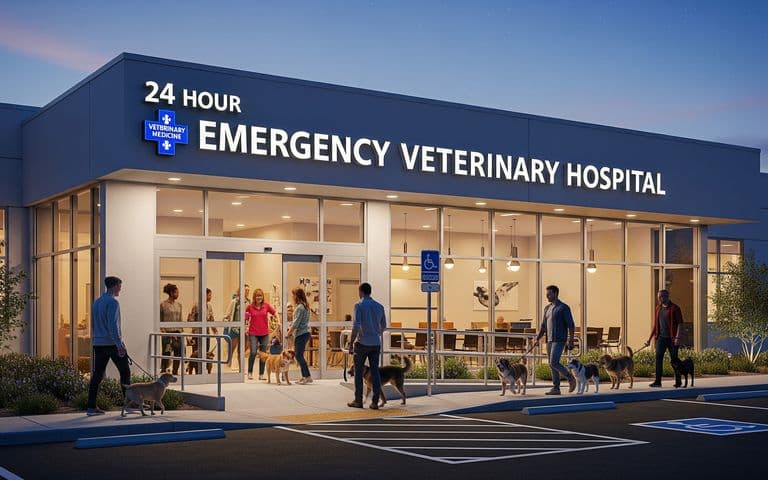
Sometimes you need more than just a routine check up or vaccination for your pet, and an unplanned illness or accident occurs. For true emergencies, such as difficulty breathing, seizures, major trauma, excessive vomiting, etc., a 24 hour emergency hospital should be sought out immediately. However, for more minor yet unexpected ailments, many general practice vet hospitals will offer urgent care or drop-in appointments that can be fit in between routine appointments. Not every vet hospital will offer an urgent care service, though it is recommended to have this information available before an urgent or emergent situation occurs.
Make a plan according to type of illness so you have the options available:
Routine wellness/preventative care: your primary care veterinarian
Urgent condition that typically would be addressed by a general practice veterinarian: check with your primary care veterinarian if they provide urgent care or last-minute services, particularly on weekends
Emergency situation: know the local 24 hour emergency vet hospitals in the area.
Step-by-Step Checklist: How to Choose the Best Vet Near You
Here’s your ready-to-use checklist:
Shortlist 3–5 clinics - use Vetmodo to locate vet clinics nearby and browse the services offered to ensure they align with your needs.
Verify AAHA status
Review online feedback from the last 24 months for insights on wait time and communication
Walk through at least one facility in person
Schedule a wellness exam as a new client
Reassess fit after your first appointment
Document your impressions in simple notes—friendliness, clarity, pet handling, and cost transparency
Use recent reviews and personal recommendations, but remember: ratings don’t replace AAHA and AVMA’s objective standards.
Find a Trusted Vet Near You: Using Vetmodo.com to Make the Choice
We built Vetmodo specifically to bridge the gap between pet owners and quality care. Combining accredited standards, good communication, and practical access ensures you find the right vet nearby for your pet’s long-term, preventive care. By using our platform, you can:
Search by Features: Filter for Fear-Free certified clinics, 24-hour emergency hospitals, or those that offer specialized imaging like ultrasound.
See Verified Ratings: See what other pet parents in your neighborhood are saying.
Compare Locally: View clinics side-by-side to see which one aligns best with your needs.
Finding the right veterinarian shouldn't be a game of chance. By focusing on communication, empathy, and practical accessibility, and using Vetmodo.com to search for clinics by location, accreditation status, and services offered, you can find a healthcare partner who will be there for you and your pet every step of the way. We hope this article has provided some helpful information in your search for a veterinarian that will fit you and your pet's needs.
Veterinary Care Guide
What Is an Integrative Veterinarian and When Do I Need One?
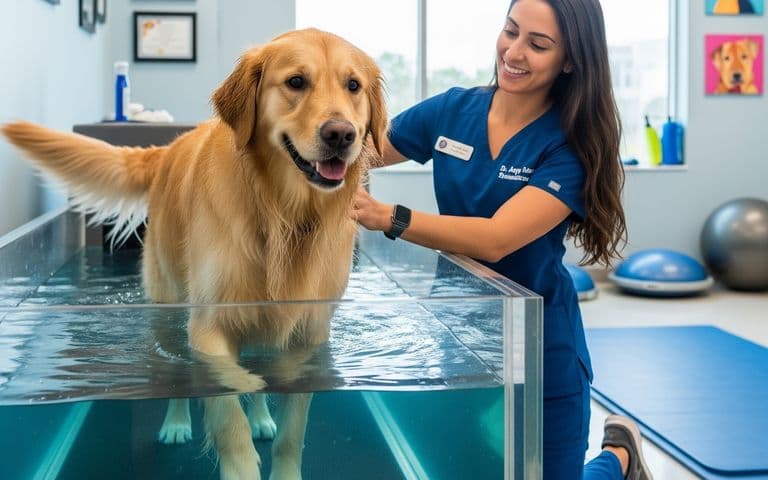
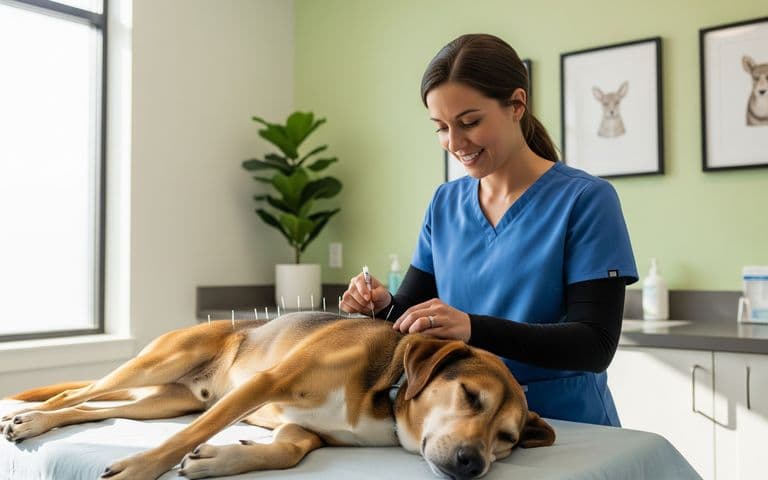
Most pet owners are familiar with what happens at a routine vet visit. An integrative veterinarian offers something different - a broader toolkit that combines conventional diagnostics and treatment with evidence-based complementary therapies, from acupuncture to physical rehabilitation. Here is what the field involves, who benefits most, and how to find a practitioner near you.