Beyond Chocolate and Grapes: Hidden Toxins in Your Home and Garden That Can Harm Your Pet
Key Takeaways
•Many serious pet poisonings come from substances rarely on popular toxin lists - including common garden plants, human medications, and pest control products labeled as safe.
•Landscape toxins including black walnuts, compost, ornamental plants, and Sago Palm can cause life-threatening tremors and organ failure - your backyard may be more dangerous than you think.
•Snail baits and rat poisons labeled "pet-safe" or "environmentally friendly" are not actually safe. Always read the active ingredient - both Iron EDTA and bromethalin can be fatal.
•Never apply a dog's flea preventative to a cat. Cats are highly sensitive to permethrin/pyrethrin and other ingredients in dog flea products, with life-threatening reactions possible within hours.
•If your pet has ingested, or suspected to have ingested a toxin, call a poison control center or head directly to your nearest vet ER hospital. Contact info: ASPCA Animal Poison Control Center at (888) 426-4435 or the Pet Poison Helpline at (855) 764-7661.
Introduction: The Pet Toxins Your Vet Sees That Don’t Make the Lists
As pet owners, most of us are well-versed in the “big hitters” of pet safety. We know to keep dark chocolate out of reach, to put the bowl of grapes away, and to never share ibuprofen, naproxen, or Tylenol with a limping dog. However, emergency veterinarians frequently encounter life-threatening crises caused by substances that rarely appear on popular pet-safety lists.
From ornamental garden plants that mimic neurological disorders to “pet-safe” snail baits that aren’t actually safe, your home and garden may contain several hidden hazards. Understanding these less commonly discussed toxins is the first step toward keeping your companions safe.
Landscape Nightmares: Brunfelsia, Black Walnuts, Compost, and Sago Palm
Many homeowners choose garden plants and landscaping materials based on appearance, without realizing their potential to cause serious harm. The backyard itself - trees, shrubs, compost bins, and fallen fruit - can contain some of the most dangerous toxins your pet might encounter.
Brunfelsia (“Yesterday, Today, Tomorrow”): The Garden Plant That Causes Seizures
This popular ornamental shrub is loved for its flowers that change from purple to white over three days. However, it contains powerful alkaloids that attack the nervous system. Dogs that ingest the plant or its seed pods may develop “sawhorse” rigidity: stiff legs splayed outward, accompanied by intense tremors and seizures. (Singh et al., 2008)
In severe cases, Brunfelsia toxicosis can progress to complete respiratory arrest or sudden cardiac arrest. (Crowley et al., 2019) Because the seeds can remain in the stomach for an extended period, early veterinary intervention before toxin absorption peaks is critical. (Clipsham, 2012)
Black Walnut Trees: When the Wood Is More Dangerous Than the Nuts
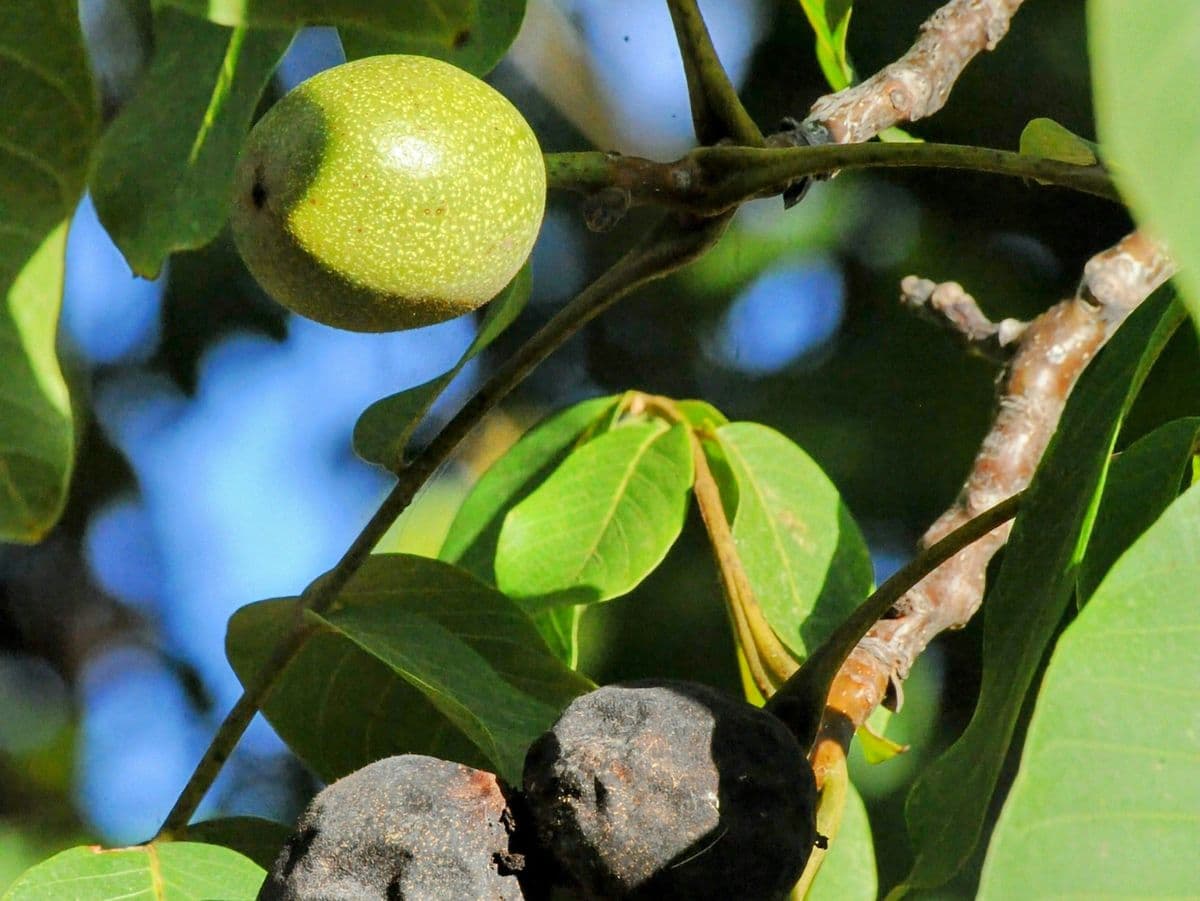
Black walnut trees (Juglans nigra) are native to eastern North America and commonly found in residential yards and parks. What many dog owners don’t realize is that the hazard from this tree differs critically depending on which part the dog ingests.
A retrospective study of 93 dogs from the ASPCA-APCC database revealed a striking distinction: neurological or musculoskeletal signs occurred in 93% of dogs that ingested black walnut wood, including branches, chips, or wood shavings, compared to only 23% of dogs that ingested the walnuts or hulls. Vomiting was common in both groups, occurring in approximately 46–48% of dogs regardless of the part ingested. ()
Frequently asked questions
Is “pet-safe” snail bait actually safe for my dog?
No. Many snail baits labeled “pet-safe” or “environmentally friendly” contain Iron EDTA, which can cause severe, potentially fatal iron poisoning. Always check the active ingredient list, and keep all pest control products secured regardless of packaging claims. (Haldane & Davis, 2009); (Luswanto et al., 2025)
Which garden plants and outdoor hazards are most toxic to pets?
Beyond Sago Palm and Brunfelsia, several outdoor hazards carry extreme risk. Black walnut wood causes neurological signs in 93% of affected dogs. Compost and moldy fallen fruit can harbor tremorgenic mycotoxins causing rapid-onset seizures. For cats, true lilies cause irreversible kidney failure from even minor exposure. Amanita mushrooms trigger fatal liver destruction in any species. (Coleman & Merola, 2016); (Barker et al., 2013); (Siroka, 2023). Other plants are toxic including oleander, azaleas, and tulips, to name a few.
What should I do if my dog eats hops from home brewing?
Hops ingestion is a critical emergency in dogs. Body temperature can exceed 106°F with organ damage progressing rapidly. A study of 71 cases found that time to veterinary care was significantly shorter in surviving dogs. Seek immediate emergency care — do not wait to see if signs develop. (Pfaff et al., 2022)
My dog was chewing on sticks in the yard - could the tree be dangerous?
Possibly, depending on the tree species. Black walnut wood is a documented hazard, causing neurological or musculoskeletal signs in 93% of affected dogs in one study. If you have a black walnut tree in your yard, remove fallen branches promptly, do not use the wood as mulch, and seek veterinary advice if your dog has chewed on the wood and develops any incoordination, tremors, or vomiting. (Coleman & Merola, 2016)
Citations
Albretsen JC, et al. Cycad palm toxicosis in dogs: 60 cases (1987–1997). J Am Vet Med Assoc. 1998.
Barker AK, et al. Tremorgenic mycotoxicosis in dogs. Compend Contin Educ Vet. 2013.
Bates NS, et al. Suspected metaldehyde slug bait poisoning in dogs. Vet Rec. 2012.
Boland LA, Angles JM. Feline permethrin toxicity: retrospective study of 42 cases. J Feline Med Surg. 2010.
Chalifoux NV, et al. Extracorporeal Therapies Versus Medical Therapy for Severe Baclofen Intoxication in Dogs. J Vet Emerg Crit Care. 2026.
Clipsham R. Brunfelsia australis and Solanum poisoning in a dog. J Am Anim Hosp Assoc. 2012.
Coleman AE, Merola V. Clinical signs associated with ingestion of black walnut tree (Juglans nigra) wood, nuts, and hulls in dogs: 93 cases (2001–2012). J Am Vet Med Assoc. 2016.
Crowley JD, et al. Cardiac arrest following acute Brunfelsia species intoxication in a dog. Aust Vet J. 2019.
Dutil GF, Berny P. Metaldehyde poisoning in 26 dogs. Open Vet J. 2023.
Gabba L, et al. Hemodialysis as emergency treatment of a severe baclofen intoxication. Vet Med Sci. 2023.
Genovese AG, et al. Adverse reactions from essential oil-containing natural flea products exempted from Environmental Protection Agency regulations in dogs and cats. J Vet Emerg Crit Care. 2012.
Gunther R, et al. Toxicity of a vitamin D3 rodenticide to dogs. J Am Vet Med Assoc. 1988.
Haldane SL, Davis RM. Acute toxicity in five dogs after ingestion of a commercial snail and slug bait containing iron EDTA. Aust Vet J. 2009.
Khan SA, et al. Concentrated tea tree oil toxicosis in dogs and cats: 443 cases (2002–2012). J Am Vet Med Assoc. 2014.
Khorzad R, et al. Baclofen toxicosis in dogs and cats: 145 cases. J Am Vet Med Assoc. 2012.
Lake BB, et al. Cycad palm toxicosis and treatment effects in 130 dogs. Aust Vet J. 2020.
The information on this website is for educational purposes only and does not constitute veterinary medical advice, diagnosis, or treatment. Always consult a licensed veterinarian regarding your pet's health. Reliance on any information provided by Vetmodo is solely at your own risk.
The practical implications for dog owners are significant: dogs that chew on fallen branches or play fetch with sticks from a black walnut tree are at substantially higher neurological risk than dogs that eat a dropped walnut. If your yard contains a black walnut tree, remove fallen branches promptly and do not use black walnut wood chips as garden mulch.
Note that moldy black walnuts carry an additional and separate risk: they can harbor tremorgenic mycotoxins (described in the next section) which cause their own severe neurological syndrome.
Compost Piles and Moldy Food: A Hidden Source of Seizure-Causing Toxins
Compost bins, trash cans, and any pile of decomposing organic matter can harbor a life-threatening hazard for dogs: tremorgenic mycotoxins produced primarily by Penicillium species of mold. These toxins form in moldy food, rotting fallen fruits and nuts, dairy products, cereals, and food waste, precisely the kinds of material that dogs with indiscriminate eating habits are drawn to investigate.
Clinical signs develop rapidly after ingestion and include whole-body muscle tremors, vomiting, fever, seizures, incoordination, twitching, and abnormal eye movements (nystagmus). In severe cases, dogs can progress to opisthotonus (extreme arching of the neck and back), coma, and death. (Barker et al., 2013)
There is no specific antidote. Treatment is symptomatic and must begin promptly: gastrointestinal decontamination where appropriate, aggressive seizure and tremor control with anticonvulsants and muscle relaxants, temperature regulation, occasionally intravenous lipid emulsion (ILE), and intensive supportive care. With prompt, appropriate care, the prognosis is reportedly excellent in most cases. (Barker et al., 2013)
⚠ Compost safety for dog owners
Compost bins should always have a secure, dog-proof lid. Dogs that roam the yard unsupervised, raid trash, or scavenge fallen fruit are at highest risk. If your dog presents with sudden-onset tremors or seizures and has had access to any outdoor area with compost, rotting material, or a moldy food source, tell your vet immediately. This history is critical for rapid diagnosis.
Sago Palm (Cycads): One of the Most Dangerous Plants a Pet Can Encounter
Commonly found in California landscapes and sold as indoor “bonsai palms,” Sago Palms are among the most dangerous plants available to pet owners. Every part of the plant is toxic, but the orange seeds are the most potent. Even a small amount can trigger rapid, severe liver failure within days. (Albretsen et al., 1998)
A retrospective study of 130 affected dogs confirmed that with prompt, aggressive veterinary treatment survival is achievable, but the window for effective intervention is narrow. If a dog has had any contact with a Sago Palm, do not wait for symptoms to develop before seeking care. (Lake et al., 2020)
Human Medications That Are Extremely Dangerous to Pets
Baclofen: One Dropped Pill Can Stop a Pet’s Breathing
Baclofen is commonly prescribed to humans as a muscle relaxant, but it is exceptionally dangerous for dogs and cats. Even one or two tablets can cause sudden profound sedation, loss of limb coordination, and respiratory depression severe enough to cause breathing to stop completely. (Khorzad et al., 2012)
In severe cases, veterinary emergency teams can now deploy extracorporeal therapies such as hemodialysis to remove baclofen from the bloodstream. A recent study demonstrated that extracorporeal treatment shortened hospitalization duration in dogs with severe baclofen intoxication compared to medical management alone, though prognosis was favorable with appropriate intervention. (Gabba et al., 2023); (Chalifoux et al., 2026)
Metformin: A Hidden Two-Pronged Danger
This widely used diabetes medication causes more than simple stomach upset in pets. Its dual danger is the combination of lactic acidosis, a dangerous buildup of acid in the blood, and a severe, potentially fatal drop in blood glucose. Both can rapidly become life-threatening. (Ueda et al., 2018)
Snail and Slug Baits: Why “Pet-Safe” Labels Cannot Be Trusted
Slug and snail baits are commonly formulated with molasses or bran to attract their targets, but these same ingredients make them irresistible to dogs. There are two distinct types, each with a different and equally dangerous toxicity profile.
Metaldehyde: The Classic “Shake and Bake” Toxin
Metaldehyde causes uncontrollable tremors that generate so much metabolic heat that body temperature skyrockets to dangerous levels, a presentation veterinarians call “shake and bake.” This hyperthermia can cause permanent brain damage and multi-organ failure. A review of 26 cases confirmed the characteristic presentation and emphasized the need for rapid cooling alongside seizure management. (Bates et al., 2012); (Dutil & Berny, 2023)
Iron EDTA: The “Safe” Bait That Causes Fatal Iron Poisoning
Products containing Iron EDTA are frequently labeled “Safe for Pets,” “Environmentally Friendly,” or “Kid and Pet Safe.” These marketing claims are dangerously misleading. Iron EDTA does not cause tremors, but causes severe iron poisoning leading to bloody vomiting, hemorrhagic diarrhea, and potentially fatal damage to the heart and liver. (Haldane & Davis, 2009)
A retrospective study of 61 dogs with confirmed Iron EDTA ingestion documented the full clinical spectrum of this toxicity, reinforcing that label claims of pet safety provide no meaningful protection. (Luswanto et al., 2025)
⚠ Always check the active ingredient
Never rely on packaging claims like “pet-safe” or “environmentally friendly” when choosing a slug or snail bait. Always read the active ingredient list. Both metaldehyde and Iron EDTA require rapid emergency veterinary intervention if ingested.
Toxic Plant Alkaloids in Common House and Garden Plants
Plants cannot run from predators, so many use chemistry to defend themselves — producing bitter-tasting alkaloid compounds that can be highly toxic to pets. (Siroka, 2023)
Solanaceous alkaloids (solanine): Found in Jerusalem Cherry (a common ornamental with red berries) and in the green parts of potato and tomato plants. These cause severe drooling, abdominal pain, and dangerously slow heart rate.
Pyrrolizidine alkaloids: Found in plants like Ragwort and Amsinckia. These are slow-acting and insidious. A pet may eat them and appear normal, but the alkaloids can cause progressive, cumulative liver damage over weeks or months.
Indole alkaloids: Found in Periwinkle (Vinca) and some mushrooms. These primarily affect the nervous system, causing incoordination and altered mentation.
For cats specifically: true lilies (Lilium and Hemerocallis spp.) are among the most acutely dangerous plants known. Even minor exposure to pollen, leaves, or vase water can cause acute, irreversible kidney failure. In any outdoor environment, Amanita mushrooms (death caps) can trigger fatal liver destruction in dogs. (Siroka, 2023) Rhododendron spp. plants can also cause acute vomiting, diarrhea, abdominal pain, weakness, and coma.(Hovda & Brutlag, 2013)
Rat and Mouse Poisons: Why Knowing the Type Matters
Modern rodenticides have evolved far beyond traditional blood-thinning anticoagulants. The type of poison in your home or neighborhood determines the toxicity mechanism, the urgency of treatment, and whether an antidote even exists. Exposure to any rat, mouse, or gopher bait warrants immediate veterinary contact.
Anticoagulant Rodenticides: Internal Bleeding That May Not Appear for Days
Traditional anticoagulant rodenticides block Vitamin K recycling, impairing the blood’s clotting ability. Signs may not appear until 3–5 days after ingestion - meaning owners often don’t connect the exposure with the eventual illness. A retrospective study of 349 confirmed cases found that 86% of dogs with active hemorrhage survived to discharge with treatment, with the pleural space being the most common hemorrhage site. (Paulin et al., 2024)
A multi-center study of 62 dogs found hemorrhage at more than one location in 55% of cases, with the most common sites being the pleural space (37%), lung (24%), and abdomen (24%). Vitamin K therapy is effective but must be continued for several weeks. (Stroope et al., 2022)
Bromethalin: A Neurotoxin With No Antidote
Bromethalin disrupts sodium-potassium pumps throughout the nervous system, causing fluid accumulation in the brain and spinal cord leading to cerebral edema, seizures, and death. There is no known antidote. Two distinct clinical syndromes are recognized: a convulsant syndrome occurring within 4–18 hours of high-dose ingestion, and a slower paralytic syndrome developing 1–7 days after lower doses. In a retrospective study of 192 dogs, 5 of 25 dogs that developed clinical signs presented with severe neurological signs and were euthanized within 12 hours of admission. Prompt gastrointestinal decontamination is the most impactful intervention, so quick recognition and consultation to a veterinary ER are imperative. (Scotti et al., 2021)
Cholecalciferol (Vitamin D3): Kidney Failure in Days
Cholecalciferol rodenticides cause a massive, sustained spike in blood calcium that progressively damages the kidneys, sometimes within days. The effects are delayed, and permanent kidney failure may develop before owners seek care. (Gunther et al., 1988); (Peterson & Fluegeman, 2013) Early decontamination to rid the body of the poison is crucial, along with close monitoring of blood calcium, phosphorus, and kidney values for up to four days after ingestion.
Home Brewing Hazard: Hops Toxicosis in Dogs
With the rise of home brewing, a specific and life-threatening hazard has moved into kitchens and gardens: hops (Humulus lupulus). Whether fresh, dried, or spent (the leftover mash after boiling), hops can cause a rapid and severe reaction in dogs known as malignant hyperthermia.
When ingested, hops trigger a massive, uncontrolled spike in body temperature that can exceed 106°F, causing progressive organ damage. The reaction is accompanied by racing heart rate, rapid breathing, and severe agitation. (Pfaff et al., 2022)
If you brew at home, all hop products, including spent hops, which may smell appetizing to dogs, must be stored in sealed, pet-proof containers and disposed of in a secured bin that dogs cannot access.
The Dog/Cat Medication Mistake That Can Kill a Cat Within Hours
One of the most preventable toxicological emergencies in veterinary medicine occurs when an owner applies a dog’s flea spot-on product to a cat. Many topical dog flea products contain permethrin, a pyrethroid insecticide that dogs tolerate well but that cats cannot metabolize. Cats lack the liver enzyme needed to break it down, leading to rapid toxic accumulation.
Within hours, a cat will typically begin twitching and progress to severe, sustained, life-threatening tremors. A retrospective study of 42 cats confirmed the typical clinical picture and emphasized that immediate bathing to remove residual product, followed by aggressive seizure control, is the cornerstone of treatment. (Boland & Angles, 2010); (Grave & Boag, 2010)
Never apply a dog’s flea or tick product to a cat, and keep cats away from recently treated dogs until the product is fully dry. When in doubt, call your veterinarian before applying any product.
“Natural” Doesn’t Mean Safe: Essential Oils and Plant-Based Flea Products
The rise of “natural” pet care has brought essential oils and plant-based flea treatments into millions of homes. Many owners reach for these products precisely because they believe them to be safer than conventional treatments. The evidence tells a different story.
Tea Tree Oil: One of the Most Commonly Reported Pet Toxins
Tea tree oil (Melaleuca alternifolia) is the most frequently reported essential oil toxin in pets and one of the most misunderstood. It is widely promoted as a natural flea repellent and skin treatment, but concentrated tea tree oil is genuinely dangerous, and its safety profile does not match its reputation.
A 10-year retrospective study of 443 cases from the ASPCA Animal Poison Control Center database found that concentrated tea tree oil caused serious neurological signs in both dogs and cats within 2–12 hours of exposure, with signs lasting up to 72 hours. The most common clinical presentation included excessive salivation or drooling, CNS depression and lethargy, paresis or limb weakness, ataxia, and muscle tremors. Critically, 89% of these cases were intentional applications by owners who were attempting to treat their pets. The toxicosis was not the result of accidental access but of well-intentioned use. (Khan et al., 2014)
Younger and lighter cats were at significantly greater risk of developing major illness - the smallest patients are the most vulnerable to these products. (Khan et al., 2014)
Plant-Based Flea Products: An Unregulated Market With Documented Harms
Beyond tea tree oil specifically, there is a broader category of concern: plant-derived flea preventatives containing mixtures of essential oils. These products, which may contain pennyroyal, clove oil, eucalyptus, citrus oils, and other botanicals, are classified by the US Environmental Protection Agency (EPA) as “minimum risk pesticides” and are entirely exempt from EPA registration and safety regulation. No standardized efficacy or safety testing is required before these products reach store shelves.
A retrospective study of ASPCA-APCC cases from 2006–2008 documented adverse reactions in both cats and dogs exposed to these EPA-exempt natural flea products, including reactions that occurred even when the products were applied according to label directions. The study found that adverse effects were similar between species, and noted that quality control of essential oil flea products is neither currently regulated nor monitored. Possible interactions between different essential oil components, and the effect of dermal conditions on absorption, remain poorly understood. (Genovese et al., 2012)
Final Thoughts: Keeping Your Pet Safe Requires Looking Beyond the Obvious
Whether you are landscaping your garden, managing a compost bin, organizing your medicine cabinet, or setting pest control products, take a moment to research specific ingredients and plant species before assuming they are safe. Many of the most dangerous toxins your pet might encounter carry no warning signals. They smell appealing, look ordinary, or are labeled as safe.
If you ever suspect your pet has ingested something potentially toxic, contact your veterinarian immediately. Speed is often the difference between a quick recovery and a tragedy. For immediate toxicological advice, contact the ASPCA Animal Poison Control Center at (888) 426-4435 or the Pet Poison Helpline at (855) 764-7661.
To find an emergency animal hospital near you, useVetmodo.com to rapidly locate the nearest 24-hour ER hospital.
Luswanto E, et al. Iron EDTA ingestion and toxicosis in 61 dogs. Front Vet Sci. 2025.
Paulin MV, et al. Anticoagulant rodenticide toxicity in dogs: 349 confirmed cases. Can Vet J. 2024.
Peterson ME, Fluegeman K. Cholecalciferol. Top Companion Anim Med. 2013.
Pfaff A, et al. Retrospective analysis of hops toxicosis in dogs (2002–2014): 71 cases. J Vet Emerg Crit Care. 2022.
Scotti KM, et al. Retrospective evaluation of the effects and outcome of bromethalin ingestion: 192 Dogs. J Vet Emerg Crit Care. 2021.
Singh M, et al. Brunfelsia spp toxicity in four dogs. Aust Vet J. 2008.
Siroka Z. Toxicity of House Plants to Pet Animals. Toxins (Basel). 2023.
Stroope S, et al. Clinical Bleeding in Dogs With Anticoagulant Rodenticide Toxicity. Front Vet Sci. 2022.
Ueda Y, et al. Severe lactic acidosis and hypoglycemia due to acute metformin intoxication in a dog. J Vet Emerg Crit Care. 2018.
My Dog is Vomiting: When is it an Emergency? A Triage Guide
Vomiting is one of the most common reasons dogs are brought to a veterinary clinic, and one of the hardest for owners to triage at home. This guide covers the warning signs that cannot wait, the presentations that are safe to monitor, and the single most important rule: when in doubt, always contact a veterinarian rather than waiting to see what happens.