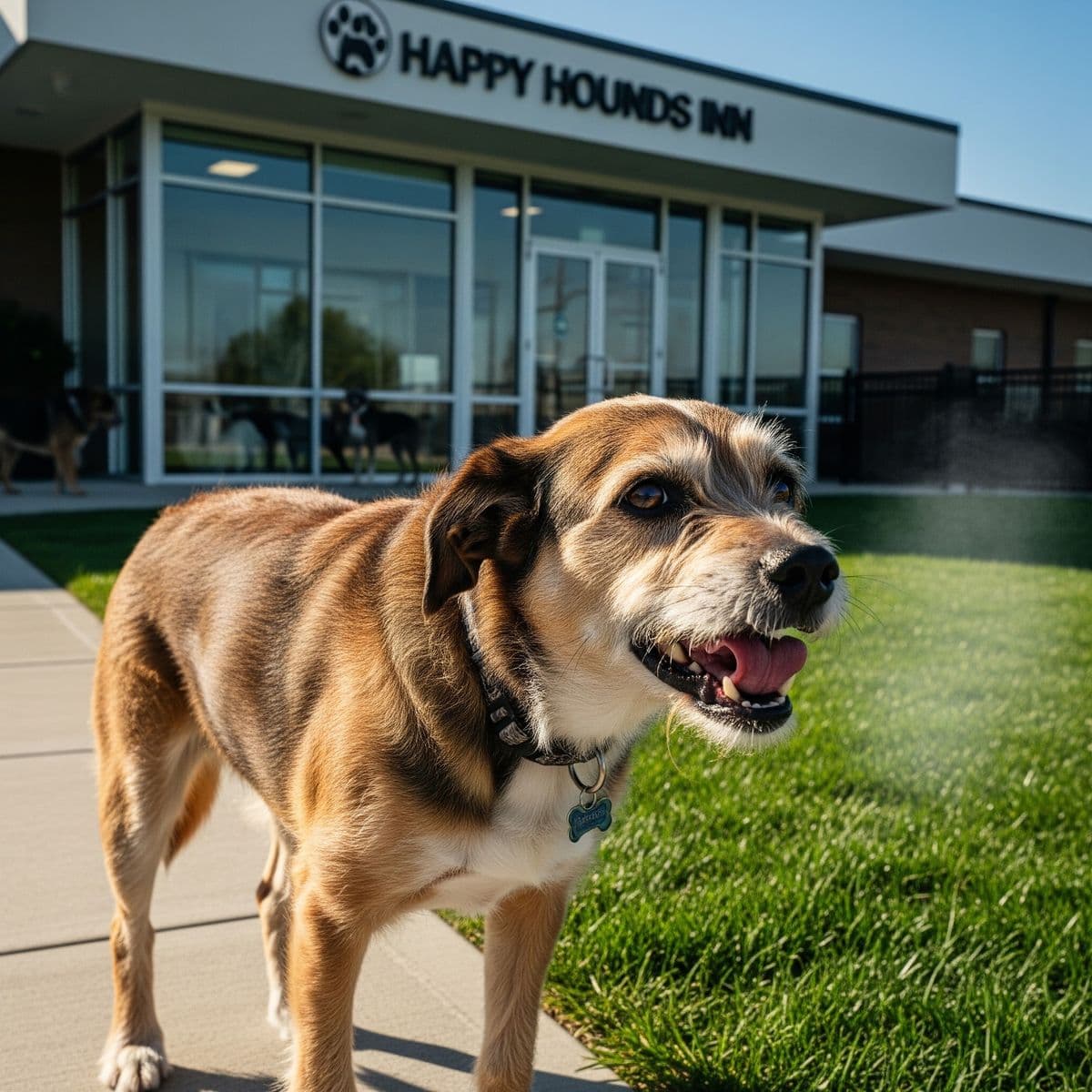
Has your dog suddenly started having coughing fits after spending time around other dogs? Or are they producing a dramatic hacking sound, as though something is stuck in their throat, but are otherwise eating, drinking, and acting completely normally? If so, kennel cough is likely near the top of your veterinarian’s differential diagnosis list.
Kennel cough - medically termed Canine Infectious Respiratory Disease Complex (CIRDC) - is a highly contagious respiratory syndrome and a highly contagious respiratory infection caused by the action of multiple viral and bacterial pathogens. Kennel cough spreads rapidly in places where dogs gather, such as dog parks, boarding kennels, grooming salons, daycare facilities, and doggy daycare. It is most common in environments where dogs are kept in close proximity, particularly kennels, shelters, boarding facilities, and breeding facilities, but it can also occur in singly housed pets. Poor ventilation in enclosed or crowded spaces significantly increases the risk of transmission of this highly contagious respiratory disease.
Clusters of infection have even been documented in veterinary hospitals. (Maboni et al., 2019); (Lappin et al., 2017) Kennel cough spreads primarily through airborne particles expelled when infected dogs cough or sneeze, especially in areas with poor ventilation.
While kennel cough is usually self-limiting and resolves without serious complications, there are critical things every owner should know about how it spreads, when to seek veterinary care, and how to recognize the rare but serious complication of pneumonia. (Reagan & Sykes, 2020) Preventing kennel cough involves vaccination and avoiding high-risk environments where many dogs congregate, such as dog parks and daycares.
If you’ve ever taken your dog to a boarding facility, you’ll know they typically require a Bordetella vaccine. Vaccines are available for the common causes of kennel cough and are often required for boarding, grooming, or daycare to help protect dogs from infection. But did you know that Bordetella bronchiseptica is only one of many infectious pathogens capable of causing kennel cough symptoms?
The full spectrum of recognized CIRDC pathogens includes:
- Bacteria: Bordetella bronchiseptica; Mycoplasma canis and Mycoplasma cynos — both now recognized as important emerging pathogens. (Maboni et al., 2019)
- Viruses: Canine parainfluenza virus (CPIV), canine adenovirus type 2, canine distemper virus, canine herpesvirus, canine pneumovirus, canine respiratory coronavirus (CRCoV), and, in outbreak settings, canine influenza viruses (H3N8 and H3N2). (Day et al., 2020); (Lappin et al., 2017)
Research shows that multi-dog gatherings increase the risk of respiratory infection by more than 3-fold, with pathogens like parainfluenza and Mycoplasma now identified as the most predominant threats (Ouyang et al., 2024); (Yondo et al., 2023). When multiple dogs are present, especially in crowded or poorly ventilated environments, the risk of transmission rises significantly, particularly when an infected dog coughs and disperses infectious droplets into the air. These agents are highly contagious between dogs via direct contact or contaminated surfaces, where bacteria like Bordetella can persist for weeks.
Notably, nearly 48% of asymptomatic shelter dogs carry at least one CIRDC pathogen, most commonly Mycoplasma cynos, meaning dogs often become contagious before appearing ill (Lavan & Knesl, 2015). Dogs with compromised or weak immune systems, such as puppies and senior dogs, are at higher risk for severe disease and complications from kennel cough. Co-infections involving multiple simultaneous pathogens are common and significantly increase the severity of clinical symptoms (Lappin et al., 2017); (Maboni et al., 2019). Despite their high transmission rate among canines, none of these pathogens are known to be contagious to humans.
Good hygiene practices, such as washing hands after petting other dogs and disinfecting shared items, are important to protect dogs and help prevent the spread of kennel cough.
Most cases of kennel cough present with a recognizable and characteristic clinical pattern. The hallmark is an acute onset of a harsh, dry, hacking cough that can sound like a goose honking, often described as honking, forceful, or persistent. This hacking cough is the main symptom and is highly characteristic of the disease.
At the end of these coughing fits, many dogs will retch or appear to gag, and may bring up a small amount of saliva or thick white foam. This is called a “terminal retch,” and it is a characteristic sign of significant airway inflammation. Many owners witness this hacking, retching episode and assume something is stuck in their dog’s throat — the cough can be dramatic enough to create that impression. While true foreign body obstruction is rare, it is always worth a veterinary evaluation if you genuinely suspect something is lodged in the airway.
The majority of affected dogs display clinical signs isolated to the upper respiratory tract only. This means they cough, possibly retch, and then carry on with their day: normal appetite, normal energy level, and otherwise acting like themselves aside from these intermittent coughing episodes. Most dogs exhibit symptoms for 7-10 days. (Reagan & Sykes, 2020)
In some cases, coughing can become frequent enough to interfere with normal daily activities or sleep for both dog and owner. While uncomfortable and disruptive, a persistent cough without other systemic signs does not on its own indicate serious disease progression. However, if the cough becomes productive (moist or bringing up phlegm) or there are signs of airway irritation, this may indicate progression to more severe disease and warrants veterinary attention.
Key symptoms of kennel cough to watch for:
- Sudden onset harsh, honking, hacking, or forceful cough
- Coughing fits ending in retching or gagging (terminal retch)
- Occasional production of white foam or saliva
- Sneezing, nasal discharge, and eye discharge
- Otherwise normal appetite, energy level, and behavior
- History of recent exposure to other dogs (boarding, shelter, dog park, grooming, or veterinary hospital)
- Cough often worsens with excitement or pressure on the neck (e.g. use of a collar)
Clinical signs usually appear 2–14 days after exposure to the infection and can be triggered by exercise, excitement, or pressure on the throat, such as pulling on a collar.
⚠ A note on age and risk Research has identified animal age as one of the most important host-level predictors of CIRDC severity. Very young puppies, elderly dogs, and those with weak or compromised immune systems are at greater risk of developing more serious illness, including severe signs such as pneumonia and decreased appetite. If your puppy or senior dog develops respiratory signs, err on the side of an earlier veterinary visit. (Maboni et al., 2019)
In the majority of cases, kennel cough remains confined to the upper airways and resolves on its own or with supportive care. However, in a subset of dogs, the infection can progress to the lower respiratory tract and cause pneumonia — a significantly more serious disease requiring prompt diagnosis and treatment. (Reagan & Sykes, 2020) Senior dogs are at higher risk for more serious disease and complications from kennel cough due to age-related immune decline, and may require special care and prompt veterinary attention during recovery.
Progression to pneumonia can happen in one of two ways:
- The original upper airway infection tracks downward into the lungs.
- The initial infection is mild, and then a secondary bacterial infection colonizes the lower airways, causing a sudden and significant worsening of disease. Mycoplasma cynos has been specifically identified as a causative agent in a retrospective case series of 13 dogs with CIRDC-associated pneumonia, underscoring its growing clinical importance in severe CIRDC. (Williams, 2025)
Warning signs that kennel cough may be progressing to pneumonia:
- Labored or rapid breathing, or visible effort to breathe
- Loss of appetite or refusal to eat
- Lethargy, weakness, or significantly reduced activity
- Fever (the dog feels warm to the touch)
- Any sudden worsening after an initial period of mild, stable symptoms
If your dog develops any of these signs, immediate veterinary attention is required. Do not wait for a regular veterinary appointment — seek emergency care immediately. Pneumonia in dogs requires prompt diagnosis and treatment, and delays in care can be life-threatening.
Even dogs with mild, classic kennel cough symptoms should see a veterinarian. Veterinarians typically diagnose kennel cough through a combination of the dog's history, clinical signs, and physical exam, with particular attention to the characteristic 'honking' cough. Your vet will assess the severity of the cough, evaluate for early signs of lower airway involvement, and determine whether treatment is warranted. It is always better to be seen early in the disease course rather than waiting until symptoms worsen. (Reagan & Sykes, 2020) However, some mild cases may resolve without veterinary intervention, but prompt evaluation is important if symptoms worsen.
Diagnostic workup for suspected kennel cough may include:
- Chest X-rays to evaluate the lungs and rule out pneumonia or other serious respiratory conditions
- Blood work, particularly to assess white blood cell count for signs of systemic infection
- Respiratory pathogen PCR panels, which can simultaneously detect and identify multiple CIRDC pathogens from throat or nasal swabs. Samples may be taken from the dog's upper airway to identify the specific pathogen. These multiplex assays are increasingly available and can guide targeted treatment decisions, particularly in outbreak settings or severe cases. (Kaul et al., 2025)
Regarding treatment: the majority of CIRDC cases are currently believed to be viral in etiology, and antimicrobial treatment is not automatically indicated for every case. The International Society for Companion Animal Infectious Diseases (ISCAID) guidelines recommend that antimicrobial treatment be considered only if fever, lethargy, or inappetence is present alongside respiratory signs.
When antibiotic treatment is warranted, veterinarians may prescribe antibiotics such as doxycycline, which is the recommended first-line option for dogs with suspected bacterial CIRDC, due to its activity against Bordetella bronchiseptica and Mycoplasma spp. For dogs with evidence of pneumonia and systemic signs of sepsis, more aggressive parenteral antibiotic treatment is indicated. (Lappin et al., 2017) Veterinarians may also prescribe cough suppressants to ease symptoms and help dogs sleep better at night, especially if the cough is severe.
⚠ Before You Arrive at the Clinic Call the veterinary clinic before bringing in your dog. Most practices have specific isolation protocols for dogs with suspected infectious respiratory disease. Staff will advise you on where to enter, how to wait, and how to minimize exposure to other patients in the waiting room.
It is important to note that not every coughing dog has kennel cough, and there are many other potentially serious diseases that can cause acute onset coughing with similar clinical signs to kennel cough. Veterinary evaluation, including a thorough physical exam, is needed to identify the cause of the coughing in order to institute appropriate treatment.
Dogs diagnosed with kennel cough should be kept away from other dogs and public places for at least two weeks after the cough fully resolves, as shedding of infectious pathogens may continue beyond the symptomatic period, though specific isolation protocols should be determined by a veterinarian (Reagan & Sykes, 2020) (Day et al., 2020) (Ouyang et al., 2024).
For confirmed Bordetella bronchiseptica infections, the isolation period may need to be longer. Consult with your veterinarian to determine the appropriate duration for your dog’s specific case. The most important takeaway: a coughing dog should not be brought to boarding facilities, dog parks, grooming salons, or any environment where other dogs are present. This is the single most impactful step an owner can take to prevent further spread within their community.
The kennel cough vaccine protects against Bordetella bronchiseptica, canine parainfluenza virus, and (in some formulations) canine adenovirus type 2. Canine influenza virus is another important cause of infectious respiratory disease in dogs, and vaccines are available to help protect dogs against it. Comparing this list to the full spectrum of CIRDC pathogens makes clear that the vaccine does not cover all causative agents - meaning vaccinated dogs can still contract kennel cough from other organisms not included in the vaccine. (Day et al., 2020)
A 2025 study evaluating a combination oral Bordetella–parainfluenza vaccine demonstrated one year of sustained immunity in vaccinated dogs, supporting the utility of annual vaccination. However, the authors note that protection is pathogen-specific: the vaccine reduces the severity and duration of disease from covered pathogens, but does not prevent infection with the other agents responsible for CIRDC. Vaccination against canine distemper virus is the only CIRDC vaccine that prevents colonization and shedding. (Wiechert-Brown et al., 2025); (Lappin et al., 2017) Vaccination is especially recommended for dogs that frequently visit boarding facilities, dog parks, or grooming salons, as these environments increase exposure risk and proactive vaccination helps protect dogs from kennel cough.
Effective prevention therefore requires a dual approach: maintaining up-to-date vaccination and avoiding contact with known or suspected contagious dogs during active outbreaks to protect dogs from kennel cough.
Do:
- Keep your dog away from other dogs and all public areas immediately.
- Call your primary care veterinarian even if your dog is eating normally, acting well, and breathing comfortably. Early evaluation is always preferable to a delayed visit.
- If your dog develops labored breathing, loss of appetite, lethargy, or fever, take them to a 24/7 emergency veterinary clinic without delay.
- Call the clinic before arriving so they can prepare appropriate isolation protocols.
Don’t:
- Give over-the-counter or human medications to your dog without veterinary guidance.
- Take your dog to dog parks, boarding facilities, grooming salons, or any area frequented by other dogs.
- Delay seeking veterinary care while waiting to see if symptoms improve on their own.
Looking for a local veterinarian or 24/7 emergency clinic for your dog? Use VetModo.com to find great local clinics in your area.
Kennel cough is one of the most frequently encountered infectious diseases in dogs, and the vast majority of cases resolve with appropriate supportive care. However, its highly contagious nature, including from apparently healthy dogs, the breadth of pathogens involved, and the real risk of progression to pneumonia make it a condition that deserves prompt attention rather than a wait-and-see approach.
If your dog develops an acute onset cough after being around other dogs, contact your veterinarian, isolate your dog from others, and stay vigilant for any signs of systemic illness. Early recognition and appropriate care will give your dog the best chance of a swift and uncomplicated recovery.
Thanks for reading and we hope you found this article helpful!