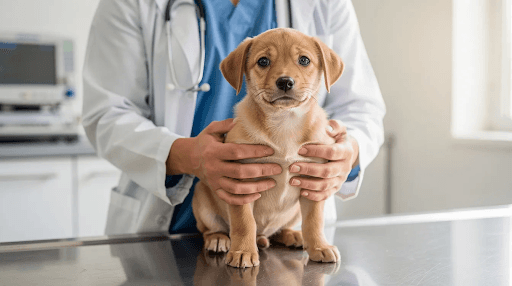
Bringing home a new puppy is exciting, but it also comes with responsibility. One of the most important steps you’ll take in your furry friend’s first months is getting them properly vaccinated. Puppy vaccines protect against dangerous, often fatal diseases while their developing immune systems are most vulnerable. This guide walks you through the puppy vaccination schedule, explains why vaccines matter, breaks down safety data, and compares the different places where your pup can receive shots.
If you’re short on time, here’s the bottom line: puppies typically need a series of core vaccines starting around 6–8 weeks of age, with boosters every 3–4 weeks until at least 16 weeks. The rabies shot is typically given once between 12–16 weeks, depending on local law.
Core dog vaccines include:
- Canine distemper
- Adenovirus hepatitis (CAV-2)
- Parvovirus
- Rabies
- Leptospirosis (added as a core vaccine by AAHA in 2024)
These are recommended by both the 2022 AAHA Canine Vaccination Guidelines and the 2016 WSAVA Vaccination Guidelines as essential for virtually all puppies regardless of lifestyle.
Typical puppy vaccine schedule:
- 6–8 weeks: First combination vaccine (DAP/DHPP)
- 10–12 weeks: Second combination vaccine
- 14–16 weeks: Third combination vaccine + rabies vaccination
- 16–18 weeks: Final core dose (especially important for parvovirus protection)
A puppy is considered fully vaccinated after the final DAP dose at ≥16 weeks plus rabies, with full protection developing 1–2 weeks later. However, your vaccine plan must be individualized by a veterinarian based on your puppy’s health and local disease risks, not copied blindly from the internet.
Young puppies arrive with some protection from maternal antibodies passed through colostrum ("first milk"), but this passive immunity fades unpredictably between 6–16 weeks of age. This creates what veterinarians call the “immunity gap”—a high-risk window where puppies can’t fight off infections on their own but maternal antibodies may still block vaccine effectiveness.
Preventable diseases like parvovirus and distemper, remain common in unvaccinated dogs. Parvovirus vaccine efficacy is excellent, though in unvaccinated puppies, this infection can cause fatal illness, while canine distemper outbreaks historically show fatality rates exceeding 50%. The WSAVA and AAHA guidelines emphasize vaccination as the most effective preventive care against these threats.
Vaccines form protection by introducing safe fragments or modified organisms that train the immune system to recognize and fight real infections later. Think of it as a rehearsal that prepares your puppy’s defenses without causing actual disease.
Key benefits of puppy vaccination:
- Prevents life-threatening diseases that otherwise have high mortality rates
- Protects public health (rabies and leptospirosis are zoonotic—they can infect humans)
- Far cheaper than treating parvo, pneumonia, or liver failure in hospital
- Enables safe socialization with other dogs
The following schedule is based on AAHA 2022 and WSAVA 2016 guidelines. Exact timing depends on local disease prevalence and legal requirements, so confirm with your veterinarian.
6–8 weeks:
- First core combination vaccine (DHPP vaccine or DAP—distemper adenovirus, parvovirus, ± canine parainfluenza virus)
- Optional Bordetella vaccine or canine influenza only if high-risk (shelter environment, frequent boarding)
9–12 weeks:
- Second core combination vaccine
- Consider starting leptospirosis vaccine +/- Lyme disease vaccine if significant regional risk
12–16 weeks:
- Third core combination vaccine
- First rabies shot (timing varies by local law)
- Complete initial vaccine series for lifestyle vaccines if started earlier
16–18 (up to 20) weeks:
- Final core dose for distemper, adenovirus, and parvovirus
- AAHA/WSAVA stress that at least one DAP shot at ≥16 weeks is critical to overcome lingering maternal antibodies
12 months after final puppy series:
- Booster shots for core vaccines and rabies
- Transition to adult dogs schedule (usually every 3 years for DAP and rabies; leptospirosis and some lifestyle vaccines require yearly boosters)
Missing a vaccine appointment may require adjusting or restarting parts of the series. Contact your vet promptly if you fall behind to maintain immunity.
Core vaccines are recommended for essentially all puppies regardless of lifestyle. Non core vaccines (also called lifestyle vaccines) depend on your puppy’s environment and risk factors.
Core vaccinations:
- Distemper
- Adenovirus (hepatitis)
- Parvovirus
- Rabies
Lifestyle (non-core) vaccines:
- Bordetella (kennel cough)
- Canine influenza (H3N2/H3N8 strains, also called dog flu)
- Leptospirosis (considered core in many regions with wildlife, standing water, or urban rats)
Discuss your daily routine with your vet—dog parks, daycare, hiking, travel, or boarding all affect which additional vaccines are justified. Over-vaccinating with unnecessary shots is avoided by following guideline-based risk assessment, not by skipping core vaccines.
Understanding what vaccines protect against helps pet parents appreciate why the shots puppies receive are so important.
Canine distemper: A highly contagious virus causing respiratory disease, diarrhea, seizures, and often death. Now rare in vaccinated dogs but still present where coverage is poor.
Adenovirus hepatitis: Adenovirus-1 can cause sudden liver failure, bleeding disorders, and eye damage. Modern vaccines use adenovirus-2, which protects against both types while reducing side effects.
Parvovirus: A highly contagious virus causing severe vomiting, bloody diarrhea, and profound lethargy. Unvaccinated puppies face high mortality if left untreated, and survivors typically need several days of intensive hospitalization costing thousands of dollars. Survivors may also develop health issues later in life as a sequelae to this infection as a puppy.
Rabies: A fatal virus affecting the nervous system, transmitted through bites from infected animals. Nearly 100% fatal once symptoms appear. The rabies vaccine is legally required in most U.S. states and many countries.
Leptospirosis: A bacterial disease spread via urine from wildlife and rodents, causing kidney and liver failure. This zoonotic infection can spread to humans in the same household, as well as to other dogs. (Skinner VJ, et al, 2026; Nakashiro H, et al, 2024)
Lyme disease: A tick-borne illness causing shifting-leg lameness, fever, and in some dogs severe kidney damage. Vaccination plus tick prevention is recommended in endemic regions.
Respiratory diseases: Bordetella, parainfluenza, and canine influenza cause highly contagious respiratory infection often called kennel cough. Can progress to severe pneumonia, especially in shelters and boarding facilities. Vaccines reduce severity of illness and likelihood of acquiring disease.
A puppy is fully protected for core diseases only after the final DAP dose given at or after 16 weeks plus the initial rabies shot, with immunity maturing 1–2 weeks later.
Some high-risk puppies (shelter dogs, certain breeds, heavy parvovirus areas) may receive an extra DAP dose up to 18–20 weeks per AAHA guidance. Being fully vaccinated doesn’t mean “no more vaccines ever”—adult boosters are still needed.
Delay visits to dog parks, daycare, and busy pet stores until your vet confirms your puppy has reached full vaccine protection.
Modern dog vaccines are very safe. Both WSAVA and AAHA guidelines conclude that benefits far outweigh risks by orders of magnitude.
The Moore et al. 2005 JAVMA study analyzed over 1.2 million vaccine doses across 360,000 dogs. Adverse reactions within 3 days occurred at approximately 38.5 per 10,000 doses—and 86% of those were mild and self-limiting.
Common mild reactions (resolving within 24–48 hours):
- Low-grade fever
- Sleepiness or lethargy
- Mild soreness at injection site
- Temporary decreased appetite
Rare serious reactions (seek immediate veterinary care):
- Severe vomiting or diarrhea
- Facial or muzzle swelling
- Difficulty breathing
- Collapse
The Moore 2005 study found small-breed dogs and those receiving multiple vaccines at once had slightly higher reaction rates. Veterinarians may adjust plans by spacing vaccines or modifying protocols for fragile puppies.
Veterinary clinics screen your puppy’s health before vaccinating and typically ask you to remain 10–15 minutes after shots to catch any rapid adverse reactions.
“Isn’t that too many vaccines at once?” Combination vaccines and schedules have been studied extensively and are endorsed by AAHA/WSAVA. However, vets may tailor timing for certain animals if a vaccine reaction occurred in the past, or there is another health reason.
“What about long-term complications?” Serious long-term complications from vaccines are extremely rare compared with the frequent, severe outcomes of diseases like parvovirus or distemper in unvaccinated dogs.
“What should I tell my vet?” Always mention any past reactions, chronic illnesses, or medications so your vaccine plan can be adjusted safely.
The immunity gap created by declining maternal antibodies is why puppies need multiple doses two to four weeks apart. Maternal antibodies can block early vaccines from working, but they decline unpredictably—so repeated doses until at least 16 weeks ensure protection catches.
Practical tips for staying on schedule:
- Book the entire vaccine series appointments in advance (every 3–4 weeks)
- Set phone calendar reminders for each vaccine appointment
- Practice safe socialization: controlled playdates with healthy, vaccinated dogs in clean areas
- Avoid dog parks, daycare, public areas, and crowded events until your vet confirms full vaccination
- Of note, the parvovirus viral particle can survive in the environment for up to 1 year and continue to infect dogs.
- Restarting or extending the series after big gaps costs more and delays access to grooming, boarding, and puppy classes
Full-service veterinary clinics:
- Pros: Complete physical exam, tailored vaccine plan, medical history tracking, emergency readiness for reactions
- Cons: Higher cost, potentially limited appointment availability
Low-cost community clinics or mobile vaccine events:
- Pros: Reduced price, increased access in underserved areas
- Cons: Limited health assessment, less continuity of care, minimal diagnostic options
Animal shelters and rescue organizations:
- Pros: Early protection before adoption, lower cost
- Cons: Follow-up series must still be completed promptly with a veterinarian
Retail store vaccine days (vet-partner pop-up clinics):
- Pros: Convenient, relatively affordable core vaccines
- Cons: Variable privacy, potential for long waits, limited time for complex health discussions
Vetmodo recommends establishing care with a full-service veterinarian as your main hub, using low-cost options only as a supplement when needed.
Importantly, vaccines administered under direct veterinary guidance are strongly recommended. Vaccines administered by breeders or by pet owners are subject to improper storage, handling, and administration, and may reduce the effectiveness of the vaccine, making puppies susceptible to the diseases they were supposed to be protected against. This is not the time to try to cut corners!
At Vetmodo, all recommendations are based on peer-reviewed sources including WSAVA 2016, AAHA 2022 Canine Vaccination Guidelines, and safety data such as Moore et al. 2005.
Protecting your puppy’s health starts with informed decisions. Schedule your puppy’s first exam and vaccine visit as soon as they come home - ideally by 7–8 weeks of age - to start them on a safe, guideline-based protection plan for a healthy life. Vetmodo.com can help you to locate veterinarians near you that can provide the vaccines and early life care your puppy needs. Whether you are looking for a primary care veterinarian, low-cost clinic nearby, or vaccine clinic, we encourage you to choose the option that works best for you and your new puppy.
Thank you for reading and we hope you found this article helpful!
Looking for a veterinarian for vaccines and preventative care? Check out vetmodo.com to find great care options in your area!